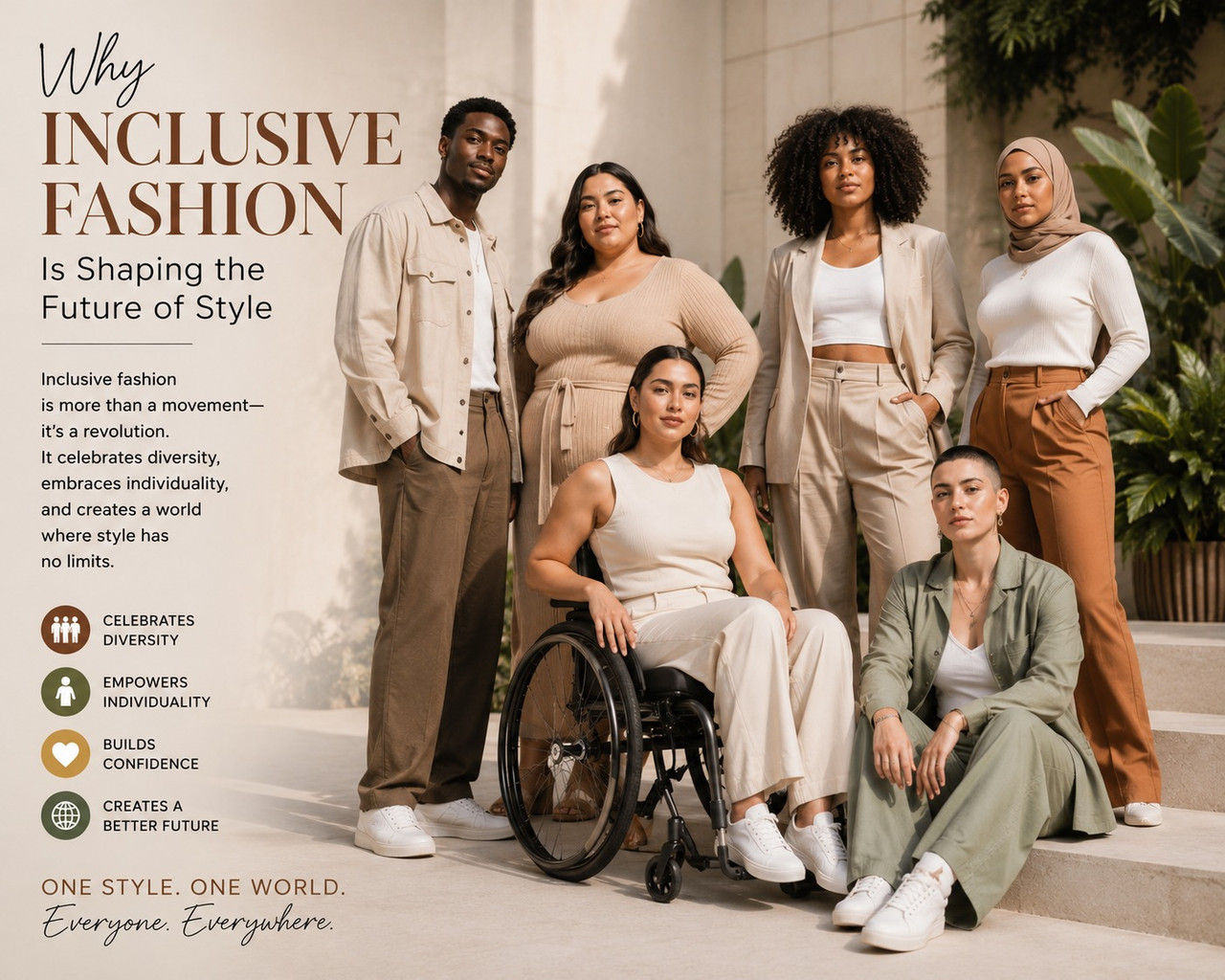
The fashion industry is experiencing a remarkable transformation as inclusivity becomes one of the most influential forces driving modern design. Consumers today expect more than stylish clothing—they want apparel that reflects real people, supports diverse lifestyles, and offers a comfortable fit without compromising quality or creativity. This shift has encouraged brands to rethink traditional design standards and develop collections that celebrate individuality while remaining practical for everyday life. As conversations around representation and innovation continue to grow, platforms like View the homepage provide valuable insight into the ideas and trends shaping the future of contemporary fashion.
One of the biggest changes within today's apparel industry is the growing commitment to designing for a wider audience. Rather than focusing on a limited range of body types or style preferences, many fashion labels are creating collections that embrace diversity from the very beginning of the design process. Improved tailoring, expanded sizing, and carefully engineered garment construction allow clothing to provide a better fit while maintaining elegance and versatility. This thoughtful approach enables more people to enjoy fashion that feels both comfortable and authentic.
Comfort has become an equally important element of modern apparel. Consumers are increasingly choosing garments that support their daily routines while still reflecting their personal style. Soft fabrics, breathable materials, lightweight textiles, and flexible construction have become common features across many fashion categories. Whether someone is dressing for work, travel, social gatherings, or everyday activities, modern clothing is designed to move naturally with the body while delivering a polished and sophisticated appearance.
Creative design continues to play a central role in making fashion more inclusive. Designers are blending timeless silhouettes with contemporary details, premium textures, and versatile color palettes that appeal to a broad range of tastes. Instead of encouraging consumers to follow short-lived trends, many brands now focus on creating wardrobe essentials that can be styled in multiple ways throughout the year. This philosophy not only promotes personal creativity but also supports more mindful purchasing decisions by encouraging long-term use rather than constant replacement.
Sustainability is another important factor influencing the industry's evolution. Environmentally conscious consumers are paying closer attention to how clothing is produced, leading brands to adopt responsible sourcing practices, eco-friendly materials, and ethical manufacturing methods. High-quality craftsmanship and durable fabrics have become valuable selling points, allowing shoppers to invest in garments that maintain their appearance and performance over time while reducing unnecessary waste.